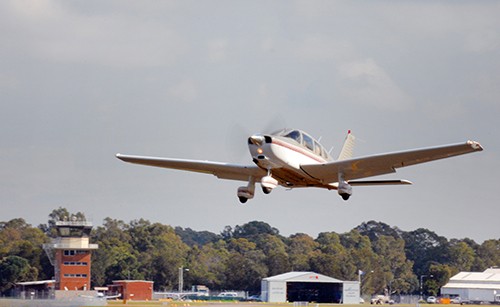
From 9 July 2026, airspace across Sydney will change to support Western Sydney International Airport which opens later this year.
The Sydney basin will have 4 controlled airports:
- Bankstown Airport
- Camden Airport
- Sydney Kingsford Smith Airport
- Western Sydney International Airport.
Airservices Australia will introduce new controlled airspace and update some procedures and visual flight rules (VFR) routes to support safe and efficient operations across the region.
Pilots will need to follow new procedures, including coded clearances at Bankstown Airport and carrying a transponder in the new Class D airspace.
Pilots can prepare now
You should plan now by reviewing the changes and ensuring you have the right equipment to fly.
We have summarised the changes on our Sydney airspace changes webpage.
Approval to fly drones
If you operate a drone or fly as a remote pilot, check a CASA-verified drone safety app before you fly. It shows where you can fly and if you need approval.
If you need to fly in controlled airspace, apply for approval early.
Join us for a webinar on these changes
We will take pilots and operators through the airspace changes at a joint webinar with Airservices Australia on Friday, 29 May. Register now.
For more information visit our Sydney airspace changes webpage. You can also subscribe to our airspace and aerodromes mailing list to get email updates.
-
Aircraft
-
Aircraft registration
- Change, transfer or cancel aircraft registration
- Data files for registered aircraft
- Ferry flight registrations
- Find a registered aircraft
- Guidance for deceased estates
- Irrevocable deregistration and export request authorisation (IDERA)
- Register your aircraft
- Registered aircraft operators
- Registration marks
- Request a copy of your registration certificate
-
Airworthiness
- Airworthiness Bulletins
- Airworthiness Directives
- Continuing airworthiness
- Continuing Airworthiness Management Organisations
- Foreign airworthiness data
- Report defects
- Maintenance organisations
- Maintenance training organisations
- Find a Part 147 maintenance training organisations
- Mounting small cameras in aircraft
- Certification
- Design and manufacturing
- Sport aviation
-
Aircraft registration
-
Drones
- Drone rules
- Operator accreditation certificate
- Remote pilot licence
- Remotely piloted aircraft operator's certificate
- Drone registration
-
Flight authorisations
- About our assessment framework
- Advanced operations
- Beyond visual line-of-sight operations
- Extended visual line-of-sight operations
- Flight approvals and permissions
- Flying at night
- Flying multiple drones at once
- Flying over and near people
- Model aircraft flight authorisation
- Remotely piloted aircraft systems compliance
- Flight authorisation trials
- Industry initiatives
-
Licences and certificates
- Pilots
- Radio operators
- Air traffic controllers
-
Air operators
- Aerial application air operator's certificate
- Aerial work certificate (Part 138)
- Air transport air operator's certificate
- Alternative pathways for specialised endorsements
- Balloon air operator's certificate
- Flight training operators
- Foreign operators
- Guidance for Part 91 approvals
- Replace air operator's certificate
- Aerial photography from aircraft
- Part 133 rotorcraft performance
- Delegates
-
Maintenance engineers
- About aircraft maintenance engineers
- Aircraft maintenance engineer exams
- Aircraft maintenance engineer licence (Part 66)
- Apply for a Part 66 licence
- Become a licensed aircraft maintenance engineer
- Maintenance of composite structures
- Part 66 and working for a Part 145 organisation
- Part 66 self-study training and examination pathway
- Recognition of prior learning
- Removing exclusions
- Licence currency and requalification
- Modular licensing for aircraft maintenance engineers
- Part 66 modular aircraft maintenance engineer licence pathways
- Flight examiners
- Flight instructors
- Aviation medicals
- Medical professionals
- Aviation reference numbers
- English language standards
-
Operations, safety & travel
- Aerodromes
- Airspace
- Aviation safety for pilots
- Safety Management Systems
-
Safety advice
- Cabin safety
- Carriage or discharge of firearms on aircraft
- Community service flights
- Cost sharing flights
- Dangerous goods and air freight
- Displays and events
- Drug and alcohol management
- Electronic flight bag
- Fatigue management
- Hazard identification and management
- Human factors and safety behaviours
- Mercy fights and operating in an emergency
- 5G and aviation safety
- 5G and radar altimeters
- Ways to submit a safety report
- Consumer and passenger advice
- Aeronautical information management
- Training and checking systems
-
Rules
- Regulatory framework
- Rules by category
- Rules by status
- Rules by type
- Changing the rules
-
Compliance and enforcement
- Delegated authority in support of aviation safety investigations
- Enforcement action
- How to comply with the rules
- Recent enforcement actions
- Safety information policy statement
- Sharing safety information
- Strict liability
- Surveillance
- Voluntary suspensions
- Recent enforcement actions
- Reporting unsafe behaviour
- Resources & education
-
About us
- Who we are
- Who we work with
- News, media releases and speeches
-
Reporting and accountability
- Artificial intelligence transparency statement
- Environmental management and performance
- Freedom of information
- Gift and benefits register
- Gender pay gap employer statement
- List of CASA files
- Portfolio budget statements
- Register of privacy impact assessments
- Regulator Performance Framework
- Senate order on agency contracts
- Service standards
- Statement of commitment to child safety
- Work health and safety policy statement
- Protecting the environment
- External security vulnerability disclosure program
- Careers
- Sponsorship and scholarship
- About this website
- Contact us
- Events
- Subscribe