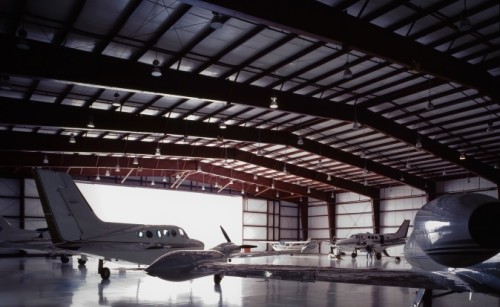

We have repealed 7 unique Australian wing bolt Airworthiness Directives (ADs) affecting certain Beechcraft Bonanza, Debonair, Baron, Travel Air, Duke and Turbo Baron aircraft. These ADs imposed inspection and replacement requirements for wing attachment hardware that did not apply in the aircraft's State of Design (USA).
The repeal follows a policy review and public consultation. It forms part of our broader review of unique Australian airworthiness requirements to ensure they align with current aviation regulation, international practice and a risk-based approach to aviation safety.
What this means for operators
The repeal removes mandatory Australian-only inspection and replacement periods for affected aircraft. Operators may now have greater flexibility to manage maintenance requirements based on their aircraft's condition and use. However, they must carefully assess any maintenance and inspections affecting primary structures, critical hardware and attachments.
What operators should do
If you operate an affected Beechcraft aircraft, you should:
- read our guidance material
- review applicable manufacturer Instructions for Continued Airworthiness
- check all other applicable airworthiness directives on CASA website
- update maintenance programs where needed
- document maintenance assessments and decisions
- continue to monitor corrosion, fatigue and ageing aircraft risks.
Continuing airworthiness responsibilities remain unchanged
Registered operators remain responsible for ensuring their aircraft remains airworthy.
Wing attachment hardware is a critical structural component and requires ongoing inspection and maintenance. The repeal does not remove the need to actively manage these risks.
Continuing airworthiness management for air transport operators
We recently amended CAO 100.5 to reinforce existing requirements for air transport operators to monitor manufacturer safety-related Instructions for Continued Airworthiness (ICA) and take appropriate action when needed. It also clarifies how existing continuing airworthiness responsibilities apply to ageing aircraft used in air transport operations.
More information
Find more information through:
-
Aircraft
-
Aircraft registration
- Change, transfer or cancel aircraft registration
- Data files for registered aircraft
- Ferry flight registrations
- Find a registered aircraft
- Guidance for deceased estates
- Irrevocable deregistration and export request authorisation (IDERA)
- Register your aircraft
- Registered aircraft operators
- Registration marks
- Request a copy of your registration certificate
-
Airworthiness
- Airworthiness Bulletins
- Airworthiness Directives
- Continuing airworthiness
- Continuing Airworthiness Management Organisations
- Foreign airworthiness data
- Report defects
- Maintenance organisations
- Maintenance training organisations
- Find a Part 147 maintenance training organisations
- Mounting small cameras in aircraft
- Certification
- Design and manufacturing
- Sport aviation
-
Aircraft registration
-
Drones
- Drone rules
- Operator accreditation certificate
- Remote pilot licence
- Remotely piloted aircraft operator's certificate
- Drone registration
-
Flight authorisations
- About our assessment framework
- Advanced operations
- Automated airspace authorisations
- Beyond visual line-of-sight operations
- Extended visual line-of-sight operations
- Flight approvals and permissions
- Flying at night
- Flying multiple drones at once
- Flying over and near people
- Model aircraft flight authorisation
- Remotely piloted aircraft systems compliance
- Flight authorisation trials
- Industry initiatives
-
Licences and certificates
- Pilots
- Radio operators
- Air traffic controllers
-
Air operators
- Aerial application air operator's certificate
- Aerial work certificate (Part 138)
- Air transport air operator's certificate
- Alternative pathways for specialised endorsements
- Balloon air operator's certificate
- Flight training operators
- Foreign operators
- Guidance for Part 91 approvals
- Replace air operator's certificate
- Aerial photography from aircraft
- Part 133 rotorcraft performance
- Delegates
-
Maintenance engineers
- About aircraft maintenance engineers
- Aircraft maintenance engineer exams
- Aircraft maintenance engineer licence (Part 66)
- Apply for a Part 66 licence
- Become a licensed aircraft maintenance engineer
- Maintenance of composite structures
- Part 66 and working for a Part 145 organisation
- Part 66 self-study training and examination pathway
- Recognition of prior learning
- Removing a licence exclusion
- Convert your foreign AME licence to an Australian Part 66 licence
- Licence currency and requalification
- Modular licensing for aircraft maintenance engineers
- Part 66 modular aircraft maintenance engineer licence pathways
- Flight examiners
- Flight instructors
- Aviation medicals
- Medical professionals
- Aviation reference numbers
- English language standards
-
Operations, safety & travel
- Aerodromes
- Airspace
-
Aviation safety for pilots
- Aviation safety resources for pilots
- Flying over or in conflict zones
- Pilot health and wellbeing
- Ramp checks for safety
- Security requirements for pilots
- Dropping items from aircraft
- Flying near bushfires
- Recognising, mitigating and adapting to GNSS interference (jamming or spoofing)
- Safety pilot requirements and responsibilities
- Safety Management Systems
-
Safety advice
- Cabin safety
- Carriage or discharge of firearms on aircraft
- Community service flights
- Cost sharing flights
- Dangerous goods and air freight
- Displays and events
- Drug and alcohol management
- Electronic flight bag
- Fatigue management
- Hazard identification and management
- Human factors and safety behaviours
- Mercy fights and operating in an emergency
- 5G and aviation safety
- 5G and radar altimeters
- Ways to submit a safety report
- Consumer and passenger advice
- Aeronautical information management
- Training and checking systems
- Rules
- Resources & education
-
About us
- Who we are
- Who we work with
- News, media releases and speeches
-
Reporting and accountability
- Artificial intelligence transparency statement
- Environmental management and performance
- Freedom of information
- Gift and benefits register
- Gender pay gap employer statement
- List of CASA files
- Portfolio budget statements
- Register of privacy impact assessments
- Regulator Performance Framework
- Senate order on agency contracts
- Service standards
- Statement of commitment to child safety
- Work health and safety policy statement
- Protecting the environment
- External security vulnerability disclosure program
- Apply to join the Aircraft and Simulator Services (HASS) Panel
- Careers
- Sponsorship and scholarship
- About this website
- Contact us
- Events
- Subscribe