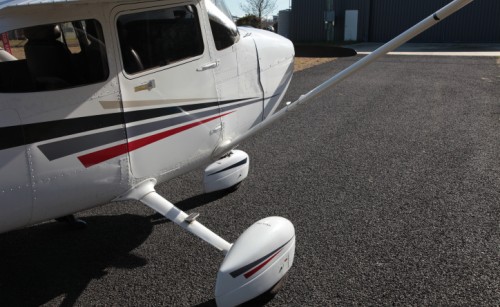
We have simplified continuing airworthiness requirements for certain ageing general aviation aircraft under 5,700 kg by repealing 18 unique Australian structural fatigue Airworthiness Directives (ADs).
The repealed ADs applied to a range of ageing aircraft types and imposed structural fatigue life limits unique to Australia and were not reflected in manufacturer requirements or State of Design airworthiness directives.
Following a policy review and public consultation, we determined these requirements are no longer necessary because ageing aircraft risks can be effectively managed through existing continuing airworthiness obligations, manufacturer instructions and applicable State of Design ADs.
What operators should do
If you operate one of these aircraft, you should:
- read our new continuing airworthiness guidance
- review applicable manufacturer Instructions for Continued Airworthiness (ICAs)
- review State of Design ADs for applicability to your aircraft
- review structural inspection requirements and life limits
- update maintenance programs where required
- document assessments and decisions relating to service information.
For some aircraft types, this may include reviewing manufacturer structural inspection programs such as:
- Cessna Supplemental Inspection Documents (SIDs)
- Beechcraft Structural Inspection and Repair Manuals (SIRM).
Note: Where there are Airworthiness Limitations (AWLs) specified by the aircraft manufacturer in the Instructions for Continued Airworthiness (ICA) these are mandatory maintenance requirements under CASA CAO 100.5, section 9.1.
Continuing airworthiness responsibilities remain unchanged
Registered operators must continue to ensure their aircraft are maintained in an airworthy condition. Operators should review the new guidance and applicable manufacturer requirements as part of their next maintenance planning activity.
This includes considering all applicable ICAs, manufacturer service information and structural inspection requirements. Structural fatigue, corrosion and ageing aircraft issues remain significant aviation safety considerations.
New continuing airworthiness management direction
The AD repeal is supported by a new CASA continuing airworthiness management direction. This direction reinforces existing obligations to actively manage continuing airworthiness risks for ageing aircraft used in air transport operations.
It does not create a new safety standard, but clarifies how existing obligations should be applied, particularly for air transport operators not currently operating under Part 42 of Civil Aviation Safety Regulations (CASR).
New AD for Cessna 400-series aircraft
As part of the review, we identified one aircraft type that required additional action.
We have issued a new AD for Cessna 400-series aircraft to address wing lower spar cap inspection and modification requirements. The AD takes effect on 18 April 2027. It aligns CASA's requirements with those of the FAA, following the repeal of the uniquely Australian AD. It also recognises previously approved spar-strap modifications and provides exemptions for aircraft that have already complied with the applicable SIDs.
Most affected operators are expected to already meet these requirements, with only limited inspection or verification activities likely to be needed.
More information
Find out more through:
-
Aircraft
-
Aircraft registration
- Change, transfer or cancel aircraft registration
- Data files for registered aircraft
- Ferry flight registrations
- Find a registered aircraft
- Guidance for deceased estates
- Irrevocable deregistration and export request authorisation (IDERA)
- Register your aircraft
- Registered aircraft operators
- Registration marks
- Request a copy of your registration certificate
-
Airworthiness
- Airworthiness Bulletins
- Airworthiness Directives
- Continuing airworthiness
- Continuing Airworthiness Management Organisations
- Foreign airworthiness data
- Report defects
- Maintenance organisations
- Maintenance training organisations
- Find a Part 147 maintenance training organisations
- Mounting small cameras in aircraft
- Certification
- Design and manufacturing
- Sport aviation
-
Aircraft registration
-
Drones
- Drone rules
- Operator accreditation certificate
- Remote pilot licence
- Remotely piloted aircraft operator's certificate
- Drone registration
-
Flight authorisations
- About our assessment framework
- Advanced operations
- Automated airspace authorisations
- Beyond visual line-of-sight operations
- Extended visual line-of-sight operations
- Flight approvals and permissions
- Flying at night
- Flying multiple drones at once
- Flying over and near people
- Model aircraft flight authorisation
- Remotely piloted aircraft systems compliance
- Flight authorisation trials
- Industry initiatives
-
Licences and certificates
- Pilots
- Radio operators
- Air traffic controllers
-
Air operators
- Aerial application air operator's certificate
- Aerial work certificate (Part 138)
- Air transport air operator's certificate
- Alternative pathways for specialised endorsements
- Balloon air operator's certificate
- Flight training operators
- Foreign operators
- Guidance for Part 91 approvals
- Replace air operator's certificate
- Aerial photography from aircraft
- Part 133 rotorcraft performance
- Delegates
-
Maintenance engineers
- About aircraft maintenance engineers
- Aircraft maintenance engineer exams
- Aircraft maintenance engineer licence (Part 66)
- Apply for a Part 66 licence
- Become a licensed aircraft maintenance engineer
- Maintenance of composite structures
- Part 66 and working for a Part 145 organisation
- Part 66 self-study training and examination pathway
- Recognition of prior learning
- Removing a licence exclusion
- Convert your foreign AME licence to an Australian Part 66 licence
- Licence currency and requalification
- Modular licensing for aircraft maintenance engineers
- Part 66 modular aircraft maintenance engineer licence pathways
- Flight examiners
- Flight instructors
- Aviation medicals
- Medical professionals
- Aviation reference numbers
- English language standards
-
Operations, safety & travel
- Aerodromes
- Airspace
- Aviation safety for pilots
- Safety Management Systems
-
Safety advice
- Cabin safety
- Carriage or discharge of firearms on aircraft
- Community service flights
- Cost sharing flights
- Dangerous goods and air freight
- Displays and events
- Drug and alcohol management
- Electronic flight bag
- Fatigue management
- Hazard identification and management
- Human factors and safety behaviours
- Mercy fights and operating in an emergency
- 5G and aviation safety
- 5G and radar altimeters
- Ways to submit a safety report
- Consumer and passenger advice
- Aeronautical information management
- Training and checking systems
- Rules
- Resources & education
-
About us
- Who we are
- Who we work with
- News, media releases and speeches
-
Reporting and accountability
- Artificial intelligence transparency statement
- Environmental management and performance
- Freedom of information
- Gift and benefits register
- Gender pay gap employer statement
- List of CASA files
- Portfolio budget statements
- Register of privacy impact assessments
- Regulator Performance Framework
- Senate order on agency contracts
- Service standards
- Statement of commitment to child safety
- Work health and safety policy statement
- Protecting the environment
- External security vulnerability disclosure program
- Apply to join the Aircraft and Simulator Services (HASS) Panel
- Careers
- Sponsorship and scholarship
- About this website
- Contact us
- Events
- Subscribe