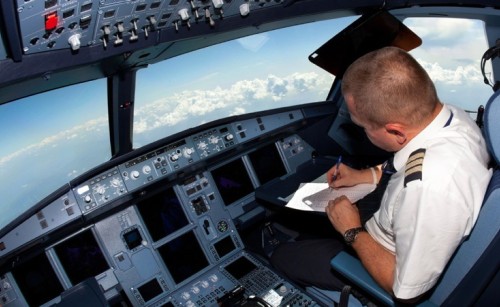

We are undertaking a post-implementation review (PIR) of the fatigue framework in Civil Aviation Order 48.1 Instrument 2019 (CAO 48.1).
CAO 48.1 provides a framework for managing the risks of flight crew member (pilot) fatigue in Australian aircraft operations.
In particular, Appendices 1 to 7 of CAO 48.1 establish fatigue management settings for commercial operations (operations that are not private operations).
As part of the PIR, we are seeking feedback from commercial pilots and aircraft operators to assess whether the current fatigue framework in Appendices 1 to 7 of CAO 48.1 is operating effectively and efficiently and meeting the needs of Australia's diverse aviation industry.
The PIR focuses on how the fatigue management system is working, examining:
- whether pilots feel comfortable to report fatigue
- how operators respond to fatigue-related reports and concerns
- the education and training programs operators provide to help pilots manage fatigue effectively.
Recognising that fatigue affects individuals differently, it highlights the importance of adaptable, system-based approaches to managing fatigue risk rather than relying solely on prescriptive hour limits.
Why are we reviewing the fatigue management framework?
Pilot fatigue is a recognised aviation safety hazard that can affect alertness, decision-making and operational performance. Factors such as disrupted sleep, night flying, early starts, long duty periods and changing schedules can all contribute to fatigue.
CAO 48.1 was introduced in 2019 and fully implemented in 2021. Since then, operators have had time to embed fatigue management processes into their operations. The PIR provides an opportunity to understand how the framework is performing in practice.
How pilots and operators covered by CAO 48.1 can provide feedback
As part of the PIR, we are inviting feedback from commercial pilots and aircraft operators on the fatigue risk management arrangements in CAO 48.1 Appendices 1–6, minor variations, and Fatigue Risk Management Systems (FRMS).
Commercial pilots
Pilots operating under the appendices to CAO 48.1 can:
- complete the pilot survey to share their experiences with the fatigue management arrangements
- provide feedback on the discussion paper that is informing the review.
Aircraft operators
Aircraft operators can:
- complete the operator survey and provide feedback on the discussion paper, which will be distributed directly to operators by CASA.
The surveys are specifically seeking input from pilots and aircraft operators operating under the Appendices to CAO 48.1.
Why feedback matters
Pilots and operators experience the fatigue framework first-hand through their day-to-day flying duties and can provide unique insights into how the rules, fatigue management practices and rostering arrangements work in real-world operations.
Feedback collected through the pilot and operator surveys will help us better understand how the fatigue rules are working in practice and identify opportunities for improvement.
-
Aircraft
-
Aircraft registration
- Change, transfer or cancel aircraft registration
- Data files for registered aircraft
- Ferry flight registrations
- Find a registered aircraft
- Guidance for deceased estates
- Irrevocable deregistration and export request authorisation (IDERA)
- Register your aircraft
- Registered aircraft operators
- Registration marks
- Request a copy of your registration certificate
-
Airworthiness
- Airworthiness Bulletins
- Airworthiness Directives
- Continuing airworthiness
- Continuing Airworthiness Management Organisations
- Foreign airworthiness data
- Report defects
- Maintenance organisations
- Maintenance training organisations
- Find a Part 147 maintenance training organisations
- Mounting small cameras in aircraft
- Certification
- Design and manufacturing
- Sport aviation
-
Aircraft registration
-
Drones
- Drone rules
- Operator accreditation certificate
- Remote pilot licence
- Remotely piloted aircraft operator's certificate
- Drone registration
-
Flight authorisations
- About our assessment framework
- Advanced operations
- Automated airspace authorisations
- Beyond visual line-of-sight operations
- Extended visual line-of-sight operations
- Flight approvals and permissions
- Flying at night
- Flying multiple drones at once
- Flying over and near people
- Model aircraft flight authorisation
- Remotely piloted aircraft systems compliance
- Flight authorisation trials
- Industry initiatives
-
Licences and certificates
- Pilots
- Radio operators
- Air traffic controllers
-
Air operators
- Aerial application air operator's certificate
- Aerial work certificate (Part 138)
- Air transport air operator's certificate
- Alternative pathways for specialised endorsements
- Balloon air operator's certificate
- Flight training operators
- Foreign operators
- Guidance for Part 91 approvals
- Replace air operator's certificate
- Aerial photography from aircraft
- Part 133 rotorcraft performance
- Delegates
-
Maintenance engineers
- About aircraft maintenance engineers
- Aircraft maintenance engineer exams
- Aircraft maintenance engineer licence (Part 66)
- Apply for a Part 66 licence
- Become a licensed aircraft maintenance engineer
- Maintenance of composite structures
- Part 66 and working for a Part 145 organisation
- Part 66 self-study training and examination pathway
- Recognition of prior learning
- Removing a licence exclusion
- Convert your foreign AME licence to an Australian Part 66 licence
- Licence currency and requalification
- Modular licensing for aircraft maintenance engineers
- Part 66 modular aircraft maintenance engineer licence pathways
- Flight examiners
- Flight instructors
- Aviation medicals
- Medical professionals
- Aviation reference numbers
- English language standards
-
Operations, safety & travel
- Aerodromes
- Airspace
- Aviation safety for pilots
- Safety Management Systems
-
Safety advice
- Cabin safety
- Carriage or discharge of firearms on aircraft
- Community service flights
- Cost sharing flights
- Dangerous goods and air freight
- Displays and events
- Drug and alcohol management
- Electronic flight bag
- Fatigue management
- Hazard identification and management
- Human factors and safety behaviours
- Mercy fights and operating in an emergency
- 5G and aviation safety
- 5G and radar altimeters
- Ways to submit a safety report
- Consumer and passenger advice
- Aeronautical information management
- Training and checking systems
- Rules
- Resources & education
-
About us
- Who we are
- Who we work with
- News, media releases and speeches
-
Reporting and accountability
- Artificial intelligence transparency statement
- Environmental management and performance
- Freedom of information
- Gift and benefits register
- Gender pay gap employer statement
- List of CASA files
- Portfolio budget statements
- Register of privacy impact assessments
- Regulator Performance Framework
- Senate order on agency contracts
- Service standards
- Statement of commitment to child safety
- Work health and safety policy statement
- Protecting the environment
- External security vulnerability disclosure program
- Apply to join the Aircraft and Simulator Services (HASS) Panel
- Careers
- Sponsorship and scholarship
- About this website
- Contact us
- Events
- Subscribe